-
Topics
TopicsOur programs create spaces where open-minded leaders can gather for breakthrough conversations on pressing global issues – each aligned to one of the following pillars:Get Involved
-
Events
EventsExplore the variety of events Salzburg Global hosts within Austria and in the rest of the world. Learn more about our programs and what else happens at Schloss Leopoldskron.Upcoming EventsSep 06 - Sep 11, 2026EducationA Tale of 2000 Days: New Partnerships in Early ChildhoodEducation for Tomorrow's WorldOct 05 - Oct 07, 2026Finance & GovernanceA Multipolar & AI-Driven World: Are New Approaches Needed To Preserve Profit and Public Trust?Salzburg Global Corporate Governance Forum
- Insights
-
Fellowship
FellowshipSince 1947, more than 40,000 people from over 170 countries have participated in Salzburg Global's sessions. Collectively, these alumni are known as Salzburg Global Fellows.
-
About Us
About UsSalzburg Global is an independent, non-profit organization committed to creating spaces that overcome barriers and open up a world of better possibilities.Our Approach
-
Support Us
Support UsYour generosity helps us gather open-minded leaders for breakthrough conversations, while creating space for dialogue that overcomes barriers and opens up a world of better possibilities.
- Donate

- Published date
- Written by
Share
Culture
Update
Creating Futures: Three Years of Reimagining Culture's Role in a Changing World
Published date
Written by
Share
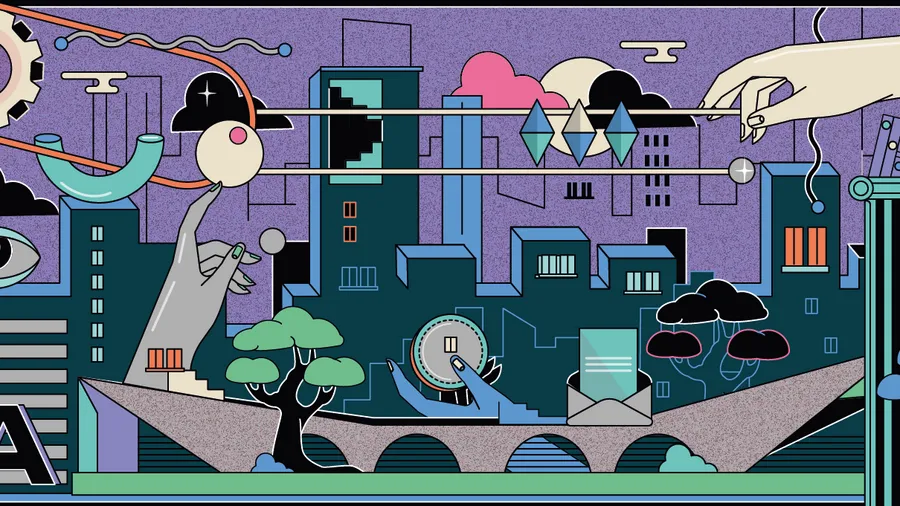
Photo Credit: Silvana Casuccio Martín
When the Creating Futures series launched in 2024, it did so against a backdrop of accelerating technological change, rising polarization, climate disruption, migration, conflict, and ongoing efforts toward decolonization. These forces are reshaping societies around the world and, in turn, transforming the conditions in which art is created, shared, funded, and experienced.
T. Randolph Harris, Chair of the Advisory Council on Culture and the Arts at Salzburg Global, reflected that:
"Artists and cultural leaders have always helped societies make sense of periods of uncertainty and transformation. The Creating Futures series brings together people from different regions, disciplines, and perspectives to explore not only what is changing, but how but how artistic practice, creative expression, and cultural leadership can help shape what comes next."
Across three sessions at Schloss Leopoldskron, artists, cultural leaders, technologists, policymakers, funders, researchers, journalists, and activists came together to explore what these shifts mean for the future of arts, culture, and society. In total, the series brought together 140 participants from 44 countries and territories across Africa, Asia-Pacific, Europe, the Middle East, North America, and Latin America and the Caribbean.
Technology and the Future of Creative Practice
The journey began in 2024 with “Creating Futures: Art and AI for Tomorrow's Narratives”. At a moment when public conversations about artificial intelligence were largely focused on disruption and efficiency, participants asked a different question: what role should artists and cultural practitioners play in shaping the development of emerging technologies?
Discussions explored ethical AI, creative agency, accountability, and the values that should guide innovation. The resulting Salzburg Statement on Artists Shaping Ethical AI Futures and accompanying digital publication captured practical recommendations and resources for artists, policymakers, technologists, and cultural leaders working to build more ethical and inclusive technological futures.
Narrative as a Tool for Social Change
In 2025, the conversation shifted from technology to storytelling.
“Creating Futures: Art of Narrative” explored how stories shape public understanding, influence social norms, and create space for more inclusive and democratic futures. Against a backdrop of growing misinformation, polarization, and declining trust, participants examined how artists and cultural workers can challenge dominant narratives, elevate underrepresented voices, and foster empathy across difference.
The resulting digital publication highlights narrative strategies, artistic interventions, and offers practical tools and frameworks for those wanting to increase their use of creative practice for narrative strategy and movement building.
Building the Conditions for Cultural Futures
By 2026, the focus turned to the systems that make cultural life possible.
“Creating Futures: Rethinking Cultural Institutions, Infrastructure, and Investment” examined how cultural ecosystems can become more resilient, equitable, and sustainable in a rapidly changing world. Participants explored questions of governance, funding, labor, infrastructure, and institutional transformation, considering what kinds of support structures will be needed to sustain culture in the decades ahead.
The session's forthcoming report captures emerging models, practical insights, and recommendations for strengthening the institutions and investment frameworks that enable creativity to thrive.
From Creating Futures to the Cultural Futures Forum
Looking back across the three years, a clear pattern emerges. Each session examined a different dimension of cultural change: the technologies shaping creative practice, the narratives shaping public understanding, and the institutions shaping cultural possibility.
Together, these conversations pointed toward a broader realization: art and culture cannot be understood solely as a creative industry or economic sector. Artists, storytellers, cultural workers, and institutions play a vital role in shaping civic imagination, preserving collective memory, strengthening democratic participation, and fostering social cohesion.
This understanding is increasingly reflected in international policy discussions. UNESCO's MONDIACULT 2022 Declaration called for culture to be recognized as a global public good, while IFACCA has argued that culture should be understood both "as a dimension of our humanity" and as a sector that requires support, protection, promotion, and development.
At the same time, many of the systems that sustain artistic and cultural life are under increasing strain. New technologies are transforming creative practice. Funding models are shifting. Institutions face growing questions of legitimacy, representation, and public value. Artists and cultural workers continue to confront challenges of recognition, remuneration, and precarity.
The Cultural Futures Forum is Salzburg Global's response to these challenges
Building on the networks, insights, and relationships developed through Creating Futures, the Forum will provide a new international platform for leadership dialogue, strategic exchange, and collaborative inquiry on the future of culture, arts, and society.
Creating Futures helped us understand the forces reshaping artistic practice, cultural institutions, and creative ecosystems. The Cultural Futures Forum will focus on how artists, cultural leaders, funders, policymakers, and institutions can respond.
Erwin Maas, a member of the Salzburg Global Advisory Council on Culture and Arts, stated that:
"As art and culture gain greater recognition as public goods and vital contributors across sectors to democratic, social, and economic resilience, there is a growing need for spaces where artists, cultural leaders, funders, policymakers, and institutions can think collectively with leaders and thinkers from other sectors about the future. The Cultural Futures Forum at Salzburg Global is designed to be one of those spaces."
Through a four-year exploration of cultural work, value creation, governance, infrastructure, and collective action, it will create space to ask difficult questions, build new connections, and explore how culture can contribute to more resilient, equitable, and sustainable futures.
The challenges facing the cultural sector are unlikely to become simpler in the years ahead. As the world approaches 2030 and reflects on the ambitions and unfinished work of the Sustainable Development Goals, these conversations feel more important than ever.
Looking across the Creating Futures series, it becomes clear that art and culture are not merely responding to change. Through creativity, storytelling, leadership, and collaboration, artists and cultural practitioners are helping shape the futures we will inhabit.
The task now is not simply to help artists and cultural leaders adapt to a changing future. It is to ensure they have the networks, resources, and spaces they need to shape it.
Creating Futures: Rethinking Cultural Institutions, Infrastructure, and Investment
Read more in our digital publication