

How three Sri Lankan women from different backgrounds are leading the charge for peace and justice
For over a decade, Thilina Madiwala has dedicated herself to unraveling the intricate dynamics of gender and peacebuilding within the context of Sri Lanka. With a focus on women, peace, and security issues, her journey has brought her face-to-face with the harsh realities of conflict and the indispensable role that women play in forging lasting peace. Reflecting on her extensive experience, Thilina asserted, “You can’t have peace without women being safe. I think it’s high time we bring a feminist perspective to peacebuilding.”
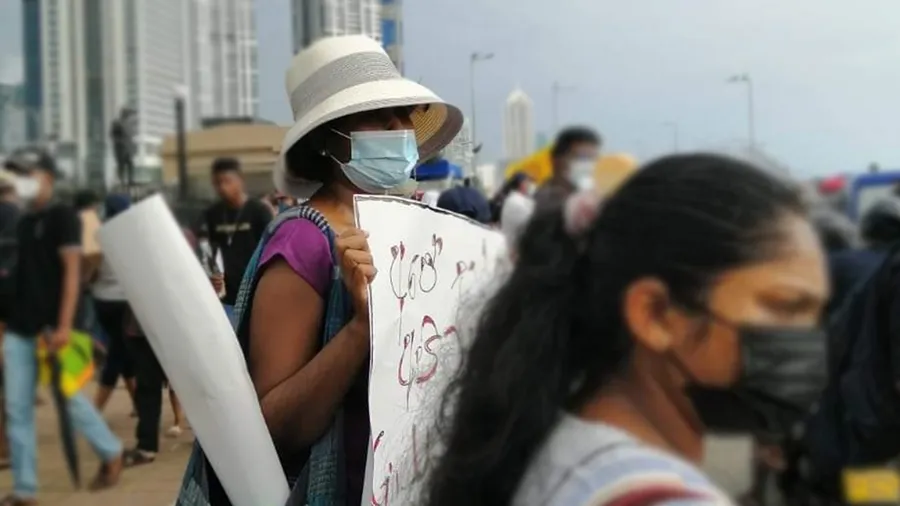
Her conviction is not merely academic but born out of firsthand engagement. Thilina actively participated in the protests that swept through Colombo in 2022, prompting her to dive deeper into the intersectionality of feminism and protest movements. Traditionally dominated by men, these movements often overlook the nuanced perspectives and contributions of women. Thilina's introspection raises critical questions about women's roles, representation in decision-making processes, and engagement with political institutions and structures.
“What roles do women typically assume? Are they represented at decision-making levels? Do they have a voice when engaging with politicians? Are they part of consultative mechanisms?" Thilina’s thought-provoking inquiries challenge entrenched gender norms and underscore the urgency of feminist peacebuilding practices. She emphasizes the importance of creating safe spaces where women affected by conflicts can actively participate in shaping peacebuilding strategies.
Thilina's advocacy finds resonance in the words of Zainab Hassen, who works for the Commonwealth in peacebuilding programs. Zainab underscored the pivotal role women have historically played as the backbone of various movements across Sri Lanka. From advocating for the rights of the disappeared to championing the cause of marginalized farmers, women have been at the forefront, driving societal change and demanding justice.
Kiruthika Thurairajah, a digital peacebuilding specialist, shed light on the transformative potential of social media in amplifying marginalized voices and fostering constructive dialogue. Through online platforms, Kiruthika facilitates collaboration, knowledge-sharing, and networking opportunities, empowering young women and men to become catalysts for positive change in their communities.
Speaking about her community, Kiruthika emphasized how Tamil women have been pivotal in advocating for their communities' rights. "Tamil women have been active in advocating for issues such as displacement, land rights, gender-based violence, and the need for reconciliation. They have been vocal in calling for justice, equality, and inclusion in post-conflict societies." The resilience and determination of women, particularly Tamil women, have been instrumental in fostering community cohesion, particularly in areas affected by conflict.
At the heart of their work lies a commitment to intersectionality—a recognition that sustainable peace can only be achieved by addressing the diverse needs and experiences of all individuals. Zainab and her organization, Yellowdot, work closely with queer communities and understand how different identities come tied to their respective barriers and displacement. However, she is positive about finding strength within those identities: “There are pockets of spaces and people who are very accepting, specifically within our colleagues, workers, and communities.”
Despite the plethora of challenges faced by marginalized communities, there is a palpable sense of optimism fueled by the rising awareness among younger generations. The democratization of information through social media platforms has empowered youth, particularly women, to navigate complex intersections of identity and advocacy with newfound vigor and resilience.
The narratives of Thilina, Zainab, Kiruthika, and countless other women in Sri Lanka serve as reminders of the indispensable role that women from diverse backgrounds play in peacebuilding efforts. By embracing feminist perspectives, amplifying marginalized voices, and leveraging digital platforms, they are not only reshaping the discourse on peacebuilding, but also forging a path toward a more inclusive and sustainable future for Sri Lanka and beyond. As Thilina puts it, a feminist perspective is a must for peacebuilding.
Thilina Madiwala, Zainab Hassen, and Kiruthika Thurairajah are Salzburg Global Fellows who are in the third cohort of the Asia Peace Innovators Forum. This program shapes long-term peace, stability, and regional cooperation in Asia by building a network of mid-career professionals working in different sectors and countries to exchange knowledge, community-driven approaches, and best practices.
