-
Topics
TopicsOur programs create spaces where open-minded leaders can gather for breakthrough conversations on pressing global issues – each aligned to one of the following pillars:Get Involved
-
Events
EventsExplore the variety of events Salzburg Global hosts within Austria and in the rest of the world. Learn more about our programs and what else happens at Schloss Leopoldskron.Upcoming EventsOct 19 - Oct 22, 2026Peace & JusticeThe Collective Action Problem: How Should Democratic Societies Respond to Increasing State Violence without Exacerbating Polarization and Political Violence?Violent Threats to Democratic SystemsOct 21 - Oct 25, 2026Peace & JusticeDemocracy Across the Frontlines: How Can Democracy Movements Collaborate To Build Resilience Across Borders?Democracy Resilience Forum
- Insights
-
Fellowship
FellowshipSince 1947, more than 40,000 people from over 170 countries have participated in Salzburg Global's sessions. Collectively, these alumni are known as Salzburg Global Fellows.
-
About Us
About UsSalzburg Global is an independent, non-profit organization committed to creating spaces that overcome barriers and open up a world of better possibilities.Our Approach
-
Support Us
Support UsYour generosity helps us gather open-minded leaders for breakthrough conversations, while creating space for dialogue that overcomes barriers and opens up a world of better possibilities.
- Donate

- Published date
- Written by
Share
General
Update
Conversation Changers: Being Counted: Disability Rights in India
Published date
Written by
Share
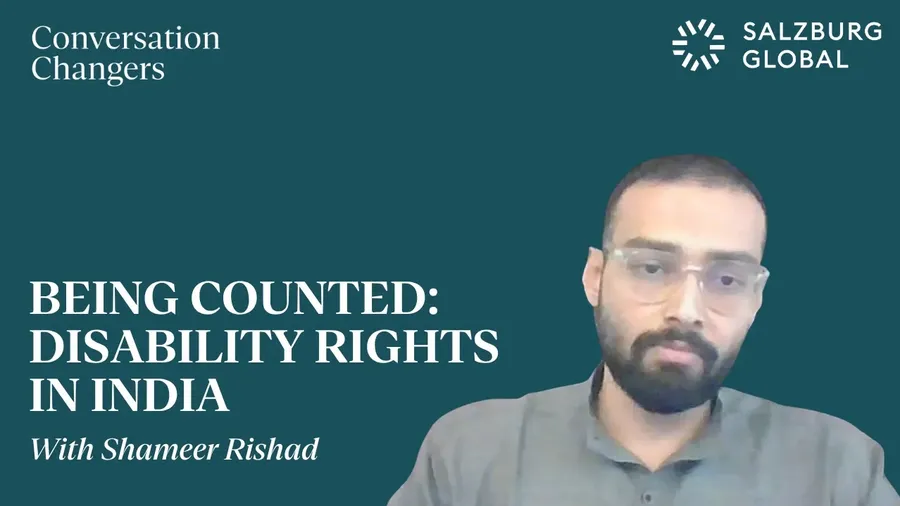
Conversation Changers, Salzburg Global's podcast, brings together thought leaders, artists, policymakers, and change-makers from around the globe to reframe dialogue, explore new ideas, and imagine better futures.
What does it truly mean to be recognized by the state, and what are the perilous consequences for minority populations when they are left out of the data that shapes public policy?
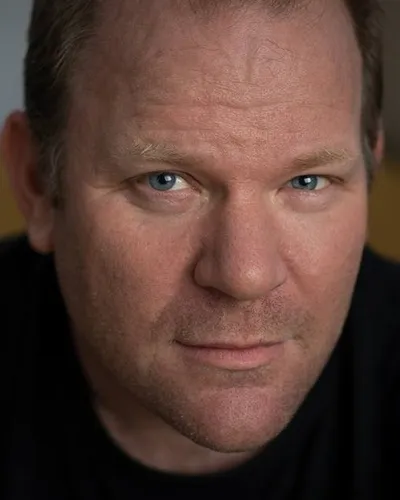
In this episode of Conversation Changers, host Eric Olander explores the urgent intersection of technology, data, and human rights. As big data, AI, and machine learning increasingly dictate who holds power, marginalized communities, particularly people with disabilities, face a growing risk of digital and systemic exclusion.
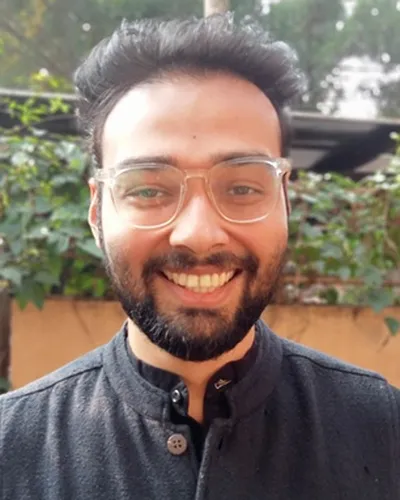
Joining the conversation from New Delhi is Shameer Rishad, a Salzburg Global Fellow and the founder of the Javed Abidi Foundation. Shameer is leading vital initiatives to challenge societal perceptions of disability in India, advocating for a shift from a historical model of charity and sympathy to one rooted firmly in human rights and empathy.
From the structural hurdles of the upcoming 2027 Indian census to the political mechanics of "vote banks," this episode offers a striking look at the battle for visibility. Shameer reveals how a lack of localized data directly translates into a denial of healthcare, education, and basic infrastructure, explaining why being counted is the first essential step toward real political representation.
Highlights From This Episode
- The Power of Being Counted: What it means for a welfare state to recognize its citizens and why excluding people with disabilities strips them of their fundamental rights.
- The Census Challenge: A look inside the massive, door-to-door enumeration process in India and why a lack of training manuals and dedicated budgets threatens the inclusivity of the 2027 census.
- The "Vote Bank" Dilemma: How political organizing dictates policy in India and why people with disabilities are striving to collectivise as a formidable voting bloc.
- The Data Exclusion Risk: The severe, compounding consequences that occur when analogue exclusion becomes aggregated into digital policy, impacting funding for healthcare, education, and transport.
- Systemic Resistance and Litigation: The arbitrary bureaucratic decisions that stall progress, such as dropping disability indicators from key health surveys, and the civil society groups fighting back through public interest litigations (PILs).
- From Sympathy to Empathy: Shameer’s call to action for commissioners, politicians, and everyday citizens to move away from pity and instead uphold the law through human rights.
Continue the Conversation
Click here to subscribe to Conversation Changers on your favorite podcast platform and join the conversation on social media using #ConversationChangers and tag @SalzburgGlobal.
Follow Shameer Rishad on LinkedIn here. Find out more about the Javed Abidi Foundation here.
Follow Eric Olander on LinkedIn here.