

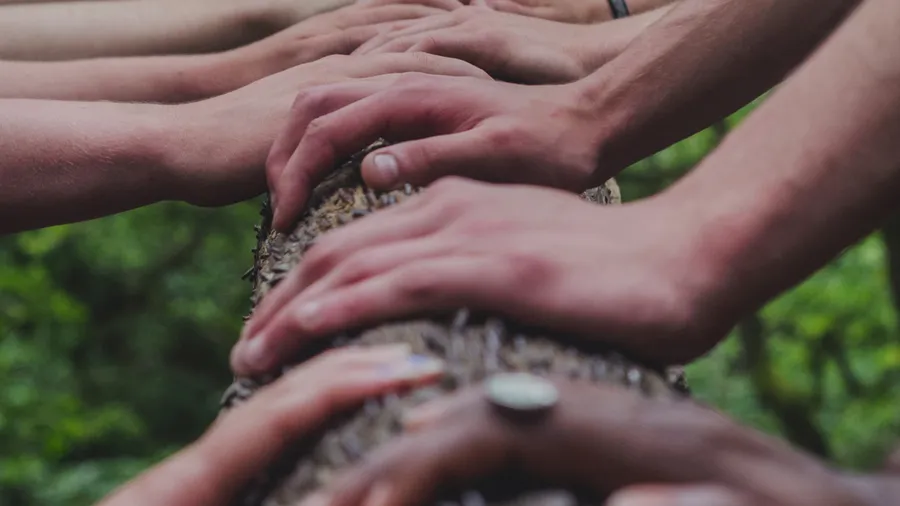
Fellows from 2018 program reconvene online for follow-up discussion
In a continuation of the 2018 program, Building Healthy, Equitable Communities: The Role of Inclusive Urban Development and Investment, Salzburg Global Fellows reunited to discuss their experiences and further share their expertise across multiple areas of interest, with a specific focus on how COVID-19 has both impacted and will further shape the development of healthier, more equitable communities.
Addressing key questions such as how built environments have affected the severity of the pandemic and the inequities in its impact, and what the priorities in its aftermath should be, participants shared various examples of the opportunities COVID-19 had forced open for advancement.
Key Takeaways
- Community-based leadership will be critical in creating healthier and more equitable communities.
- Listening to community-embedded organizations and individuals will help speed up and advance government-level responses to important issues around development and investment.
- A more holistic view of how health and equity are connected to the built environment and community design will be central to dealing with post-COVID 19 challenges.
Shifting Perceptions of Public Health and Development as a Direct Result of the Pandemic
A recurring thread of the discussion was that a shift in perception around public health and development in the wider policy-making field meant, in many cases, public health was now at many tables it had not been at before. This has led to a greater acknowledgment of its importance in creating more inclusive strategies and being deferred to as a leading voice in the pandemic recovery.
How people think about public health and what it can do is something else that has changed with the impact of the pandemic. One example highlighted was the recent dissolution of Public Health England, the functions of which would now be moved into a more central government department where links with other departments would be much stronger.
Other comments from participants delivered a common theme that the built environment had been elevated in conversations in a way it had not before, but the challenge moving forward was to now keep people engaged.
A shift in the confrontation of privilege and power from being a fringe concept to something that is now front and center of public discourse, along with equity and inclusivity being central themes, were also surfaced throughout the discussions.
Opportunities To Listen to People and Develop Community Leadership Infrastructure
Inspirational community leadership has touched many areas of modern society as it continues to deal with the ongoing challenges of the pandemic.
In one case study put forward, participants heard about an initiative of the Healthy Neighborhoods Research Consortium at the Conservation Law Foundation in Boston, MA, which focuses on inequitable development and how communities need to be central to remedying this.
At the onset of the pandemic, at-risk groups were quickly identified by the consortium, which included key workers, public transit employees, and other vulnerable parts of the community, and impact research was conducted. Recommendations were made to policymakers to help inform decisions around critical measures such as paycheck support, well ahead of federal government intervention.
This powerfully highlighted the importance of listening to people living within communities, the essential value in community-based leadership being able to act earlier, and a need to consider creating an infrastructure for community leadership to be able to implant public health not as good practice but as essential and critical for equity.
Holistic Views Are Needed Moving Forward
A more holistic view of how health and equity are connected to the built environment and community design will be central to dealing with the challenges that need to be navigated as we emerge from the pandemic. Health challenges will continue to evolve, and so will our connection to the environment in which we live.
Some cities are already taking holistic and inclusive approaches to strategy and have been for some time. Utrecht in the Netherlands was highlighted as one such city, where COVID-19 provoked questions on how it could become even more people-oriented and further develop into a sustainable city.
One example of how the city is adapting to address inclusivity was a student initiative in which a bike pathway painted in rainbow colors was created to draw attention to the acceptance, equality and safety of all people from the LGBT* community.
* LGBT: Lesbian, Gay, Bisexual and Transgender. We are using this term as it is currently widely used in human rights conversations on sexual orientation and gender identity in many parts of the world, and we would wish it to be read as inclusive of other cultural concepts, contemporary or historical, to express sexuality and gender, intersex and gender non-conforming identities.
