

Salzburg Global Fellows explore the intersection of technology and Indigenous sovereignty
During a discussion on the topic of “Beyond Colonial Codes: AI for a Multiverse of Indigenous Futures", Fellows explored the intersection of technology and Indigenous sovereignty. Dr. Tiara Roxanne (Purépecha Mestiza), transnational decolonial AI scholar and artist, joined other Indigenous artists and activists in discussing AI's transformative potential for amplifying Indigenous narratives and confronting colonial legacies. Tiara shared part of their work, Digital Attunement, which they have been developing in recent years and will deeply explore in their forthcoming book.
Maya Chacaby, a professor at York University, highlighted colonialism's profound impact on Indigenous communities. She has been working on the development of an Indigenous Metaverse called "Biskaabiiyaang", a digital realm where people can immerse themselves in her Indigenous culture, interact with Elders, and embark on quests to learn about the Anishinaabe culture. Through this platform, she aims to rewrite the narrative of Indigenous peoples and empower youth to reconnect with their cultural heritage and language.
Central to this resurgence is the urgent need for the revitalization of Indigenous languages, such as her own Anishinaabemowin, which faces the threat of extinction with only approximately 10,000 speakers remaining worldwide, while many more learn it as a second language. Maya emphasized the importance of decolonizing education and storytelling, creating spaces where traditional knowledge can thrive outside of Western frameworks, and instilling a sense of responsibility in the audience.
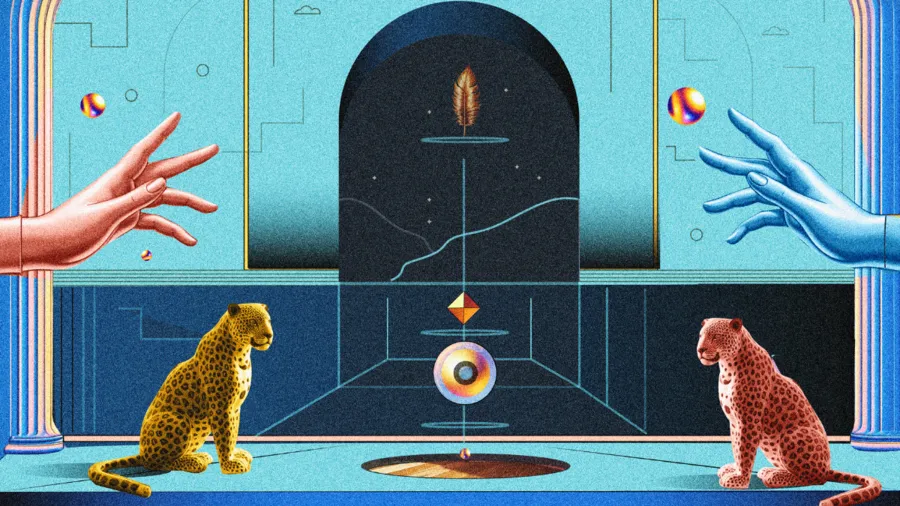
Violeta Ayala, award-winning filmmaker and creative technologist, echoed Maya’s sentiments, emphasizing the resilience and diversity of Indigenous cultures. She urged for open discussions and knowledge sharing, highlighting the Quechua community's thriving culture as an example of strength in the face of colonialism. Violeta cited the ancient proverb, “Until the jaguars tell their own story, the story of the hunt will always glorify the hunter.” She also referenced the ongoing conflict in Gaza, emphasizing that “there are no Indigenous futures without a free Palestine”.
Conceptual artist Şerife Wong brought attention to the darker side of technological advancement, highlighting the exploitation and environmental impact of AI infrastructure. She cautioned against the concentration of power in the hands of big tech companies, noting the disproportionate harm inflicted on marginalized communities, particularly in the Global South.
Şerife emphasized the importance of bottom-up AI initiatives rooted in Indigenous values. She highlighted the work of Te Hiku Media, an Indigenous media hub in Aotearoa that created and manage their own large language model as an example of an Indigenous-led data sovereignty project that ensures the technological, economic, and political decisions and benefits of AI stay within the community. She also challenged the prevailing narrative of technology as a force for connectivity, highlighting its role in perpetuating disconnection and exploitation.
The artist and researcher Walla Capelobo offered a unique perspective on the relationship between AI and Indigenous knowledge, drawing parallels between AI and the wisdom of plants. She advocated for a holistic approach to technology rooted in Indigenous principles of sustainability and reciprocity through the lens of decolonization. Kira Xonorika, interdisciplinary artist, author, and futurist, emphasized the importance of understanding history and challenging colonial binaries in envisioning the future of AI. She urged for a more nuanced approach to technology that acknowledges Indigenous temporalities and values.
Some of these Indigenous artists worked together during the program to revise Salzburg Global’s DEI report. They presented their thoughts, suggestions, and recommendations for Indigenous self-determination and the detaching from institutions and ideologies of colonization. Tiara Roxanne presented their collective ideas and expectations, advising Salzburg Global to engage with Indigenous artists truthfully.
The session underscored AI's potential as a tool for Indigenous sovereignty and knowledge transmission, offering a beacon of hope for the future. It also highlighted the need for ethical and culturally sensitive approaches to technology. By centering Indigenous voices and values, we can challenge the colonial legacies that exist in the AI sector and continuously work towards a more equitable and inclusive future for all.
The Salzburg Global Fellows featured in this article convened alongside around 50 other artists, technologists, futurists, curators, and activists for Salzburg Global's annual Culture, Arts and Society program in May 2024. "Creating Futures: Art and AI for Tomorrow's Narratives" explored the emergent possibilities at the intersection of creative expression, technology, and artificial intelligence.
This article featured in our Shorthand story, which includes more coverage from the program "Creating Futures: Art and AI for Tomorrow's Narratives".
