Big data has the power to be a huge game changer in health care provision – but will this be change for the better?
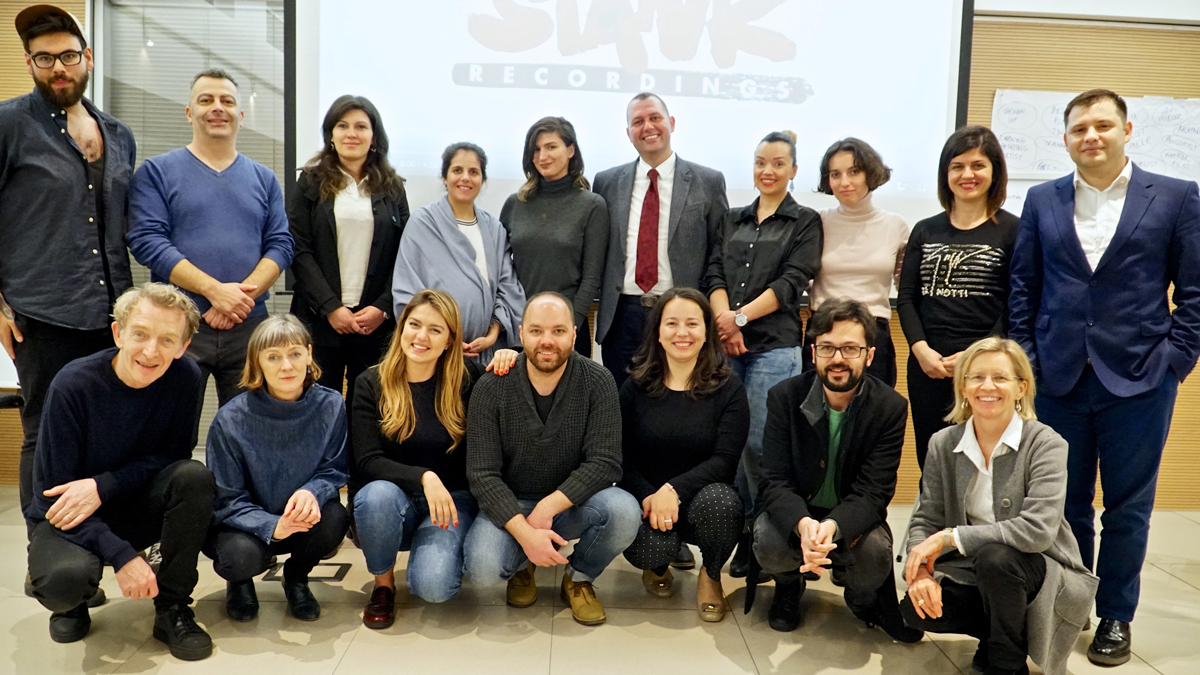
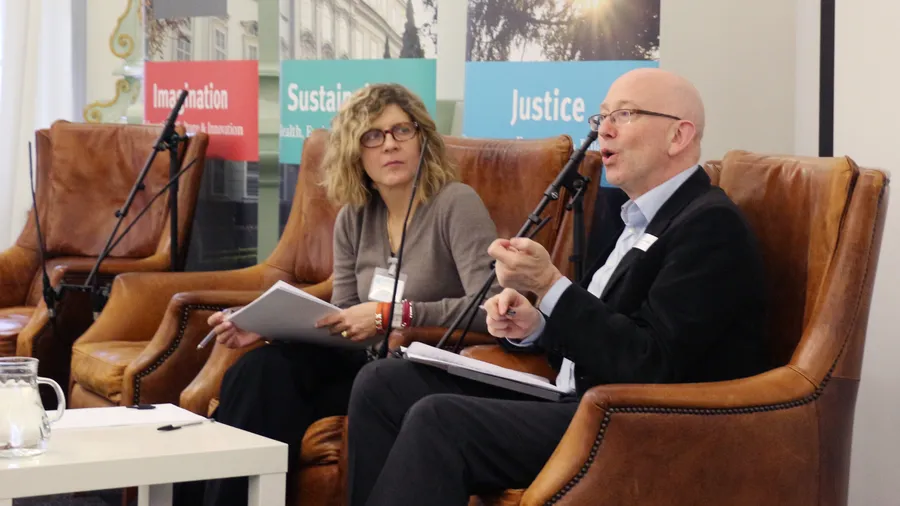
As 60 health experts from around the world gathered in Salzburg for the opening of the session The Promise of Data: Will This Bring a Revolution in Health Care? hopes and fears surrounding big data and its role in health and health care were expressed.
Hopes
- Data will be used for the benefit of patients.
- Patients will feel empowered by the data made available to them.
- Patients will have access to and ownership of their own data.
- Data will help health care move from “sick care” to promoting and monitoring general wellbeing.
- Data will prove we’re making the best decisions for both individual patients and populations at large.
- Data will enable clinicians to make more “precise” decisions about the best course of health care for an individual.
- Data will help find more efficient and economical health care solutions.
Fears
- Data will be used to save costs rather than help the patient.
- Patients will feel overwhelmed by all the data made available to them.
- Big corporations will collect and then keep data to themselves, refusing to share with patients and other organizations, using the data to increase their own profits rather than advance health care.
- Organizations that “own” patients’ data will sell the data on to others.
- Data will be stolen and misused.
- Data will lead to a greater disparity between rich and poor, urban (connected) and rural (off-grid) patients.
- Access to constant wellbeing monitoring data will increase anxiety and lead to over/unnecessary medication.
- Over abundance of data will lead to an inability to accurately or meaningfully analyze the data.
- Analysis based on “wearable” tech will be inaccurate because too many of the wearers are atypical patients.
Vast amounts of data are already available in health care, and this is only going to increase as technology advances, connectivity increases and more people (not just experts like those present in Salzburg) start to embrace “wearable” tech which can monitor their wellbeing. But how can we turn all this data into knowledge? And how can we be sure that we’re analyzing the right data in the right manner?
More information can be better than less information, but how the information is used will determine whether this surge in data is truly beneficial.
As one Salzburg Global Fellow pointed out in the opening session of the program, the “democratization of data” sounds good but can also be dangerous – not everyone knows how to accurately interpret their own data, and even the “incumbents”, established medical institutions, are overwhelmed by the vast amount of data and the diverse agendas being pursued by clinicians, researchers, corporations – and patients.
Keeping the best interests of the patients at the forefront is paramount, and big data could help move away from a “paternalistic” approach to health care, to one that offers more patient involvement and increase shared decision making, suggested one Fellow. But to do this, data needs to be shared in a manner that is accessible and understandable for clinicians and patients.
Despite it being a modern buzzword, Salzburg Global Fellows were encouraged to remember that using data to inform and support huge changes in health care provision is not solely a modern phenomenon; Florence Nightingale too used data when promoting her reforms to nursing in the 19th century.
To read and join in with all the discussions in Salzburg, follow the hashtag #SGShealth on Twitter, Facebook andInstagram. The session The Promise of Data: Will This Bring a Revolution in Health Care? Is part of the Salzburg Global series “Health and Health Care Innovation in the 21st Century” and is being held in collaboration with theMayo Clinic, Arizona State University, The Dartmouth Center for Health Care Delivery Science, and in association with the Karolinska Insititutet.