This blog is part of a series for the Salzburg Global LGBT* Forum’s program on LGBT* and Faith. Read more here: www.salzburgglobal.org/go/LGBT/blog
You can also listen to Sukhdeep read his essay below.
The Sikh faith is one of the youngest faiths in the world. Founded in the 15th century, Sikhism as a religion is very tolerant and advocates equality; however, the Punjabi culture in which I grew up and which, as a state, is the heart of India’s Sikh community, is often not so tolerant. It is also a faith where, for a long time, no large-scale discussions around the topic of homosexuality have taken place within the community (for good or bad). But as LGBT* rights advance across the world, the status quo within the Sikh faith too is changing slowly, thanks to a young generation of queer Sikhs who are now vocal about their sexuality.
I still remember how lonely and confused I felt after coming out (both to myself, and then to the world at large). I grew up in a Sikh family in India, and while I was not particularly religious, I maintained my religious identity by having uncut hair and wearing a turban. My parents were religious, but beyond taking me to Gurudwara, our place of assembly and worship, every Sunday as a child, and sometimes narrating stories about our religion or Gurus, they never tried to impose any strict religious code on me. The idea of Sikhism that I grew up with was a very accommodating and inclusive one. Thus, I never felt any conflict between my own religious identity and my sexuality. I was Sikh, and later I realized I was gay, and both of these were part of me, and I did not think being one meant giving up on the other.
But as I started understanding my sexuality more, became part of various online queer groups and communities, and joined some of the gay dating websites, I started yearning to see gay men who looked like me – with a turban and beard. There is an assurance in finding someone who is similar to you, be it in terms of skin colour, culture, or religious identity. But I was looking for more than just a visual reassurance. I wanted to discuss my experiences within the queer community – of being rejected due to my religious identity, or of being fetishized for it. I experienced being outright rejected by people because of my religious identity, while others told me that I was disrespecting the Sikh community. Many profiles on gay dating sites also mentioned “No Sikhs,” or “No Sardars” [Ed: another term for Sikhs]. This led to a lot of insecurity within me. Instead of the clean-shaved look that most gay men seemed to have and prefer, my turban and facial hair (along with the texts in these dating sites) sowed a doubt in my mind that no one would ever want to date me, causing to a lot of body-image issues that took a while to go. Then there were others who only looked at Sikh men as very muscular and well-endowed and wanted to fulfil their fantasies. Other gay Sikhs I met had similar experiences both within the community and from society at large.
I wasn’t exactly looking for any validation from religious texts back then. I had never given religion too much importance in my own life for that matter. But despite not being religious myself, my experiences as a gay man were starting to get shaped because of my religious identity.
As a 22 year old, I launched a LGBT e-magazine called Gaylaxy in 2010 to provide a platform for the community to connect with each other. LGBT issues within the media were not so widely covered back then, and often lacked the sensitivity too. I did not want others to grow up searching for people and personal stories they could relate to. As the editor of Gaylaxy, I came across a small number of gay Sikhs in a few online forums. Over the next few years, as I grew more confident in my intersectional identities, I decided to be more visible as well, both through my writings and my appearances. I wanted to assure other young queer Sikhs that one could be gay and Sikh, and live their life openly.
My first article on the topic in 2012 was titled “Why LGBT Sikhs should come out.” Generating a lot of discussion in some Sikh forums online, I felt empowered to eventually follow up with an article challenging the homophobia shown by SGPC (the body regulating Gurudwaras in India). While no debates on the topic had taken place in Sikh faith before (as in other faiths, where religious texts have been reinterpreted in their meaning for the modern world), some edicts had been passed by the religious bodies as a reaction to same-sex marriage, without much discussion or thought.
I did not receive any trolling or adverse reactions to these articles. To me the response to both articles showed two challenges – first, the unavailability of resources for queer Sikhs, and secondly, of the wider Sikh community being more open and inclusive.
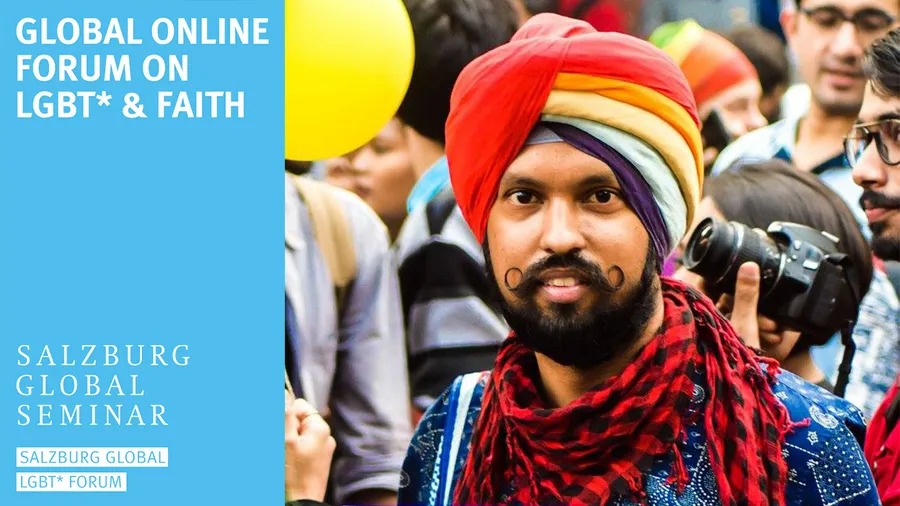
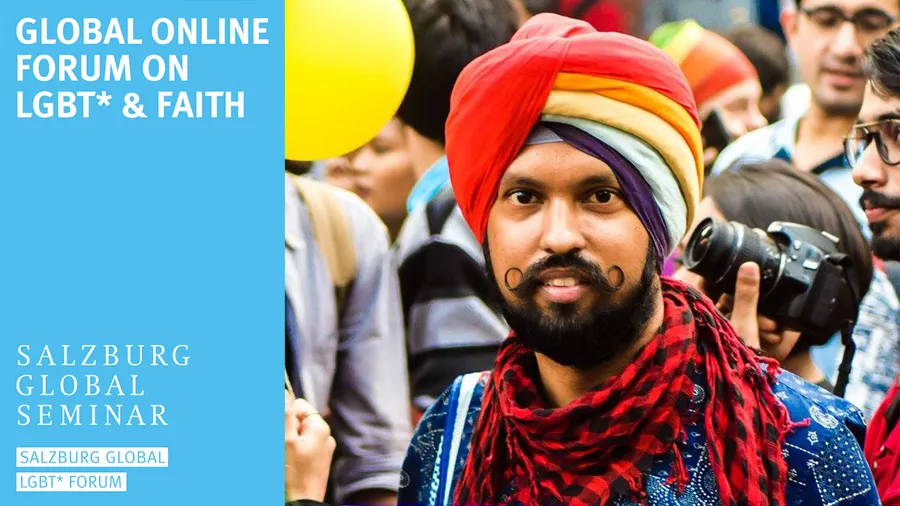
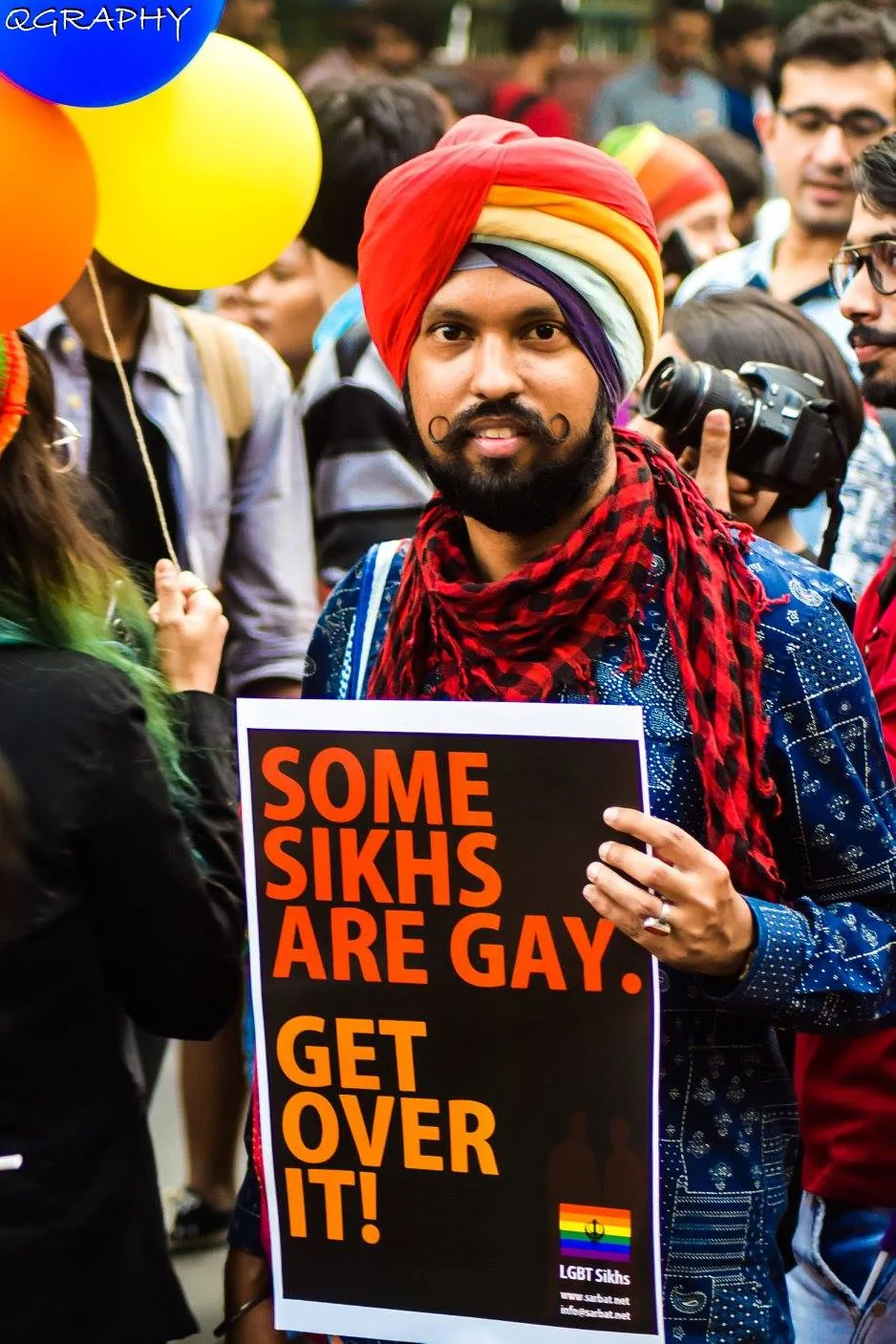
But more than these articles, it was one decision that started bringing more visibility to queer Sikhs. In 2014, I decided to do something unique that would merge my two identities into one. I went to the Bengaluru Pride in the South of India with a rainbow turban. It took me an hour and half to tie the turban, putting a piece of cloth for every colour of the rainbow on each layer. Turbans hold a great significance for a Sikh man: they are a matter of pride and respect, and carry with them a history of sacrifice and standing up to justice. The rainbow turban attracted many eyeballs at the Bengaluru Pride that year, and even led to a Reddit thread! I also visited the Golden Temple in Amritsar wearing the rainbow turban the same year, where it caught many people’s attention, though I doubt anyone understood its significance.