-
Topics
TopicsOur programs create spaces where open-minded leaders can gather for breakthrough conversations on pressing global issues – each aligned to one of the following pillars:Get Involved
-
Events
EventsExplore the variety of events Salzburg Global hosts within Austria and in the rest of the world. Learn more about our programs and what else happens at Schloss Leopoldskron.Upcoming EventsSep 06 - Sep 11, 2026EducationA Tale of 2000 Days: New Partnerships in Early ChildhoodEducation for Tomorrow's WorldOct 05 - Oct 07, 2026Finance & GovernanceA Multipolar & AI-Driven World: Are New Approaches Needed To Preserve Profit and Public Trust?Salzburg Global Corporate Governance Forum
- Insights
-
Fellowship
FellowshipSince 1947, more than 40,000 people from over 170 countries have participated in Salzburg Global's sessions. Collectively, these alumni are known as Salzburg Global Fellows.
-
About Us
About UsSalzburg Global is an independent, non-profit organization committed to creating spaces that overcome barriers and open up a world of better possibilities.Our Approach
-
Support Us
Support UsYour generosity helps us gather open-minded leaders for breakthrough conversations, while creating space for dialogue that overcomes barriers and opens up a world of better possibilities.
- Donate

- Published date
- Written by
Share
General
Opinion
Standing With Our Neighbors: A Plea from Minneapolis
Published date
Written by
Share
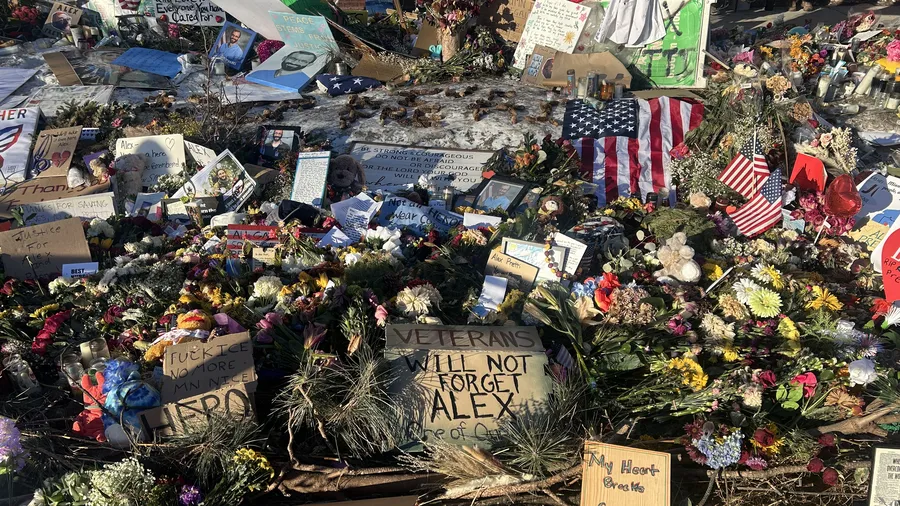
Memorial site for Alex Pretti in Minneapolis, Minnesota. Photo Credit: Carl Swanson
This article was written by Salzburg Global Fellow Carl Swanson and contributed to by other Fellows based in Minnesota.
The views expressed in this article are those of these Fellows individually and should not be taken to represent those of Salzburg Global or any organizations to which they are affiliated.
From my living room in the Central neighborhood of Minneapolis, where I write this, I can hear helicopters daily. I walk my children to their bus stops with a whistle in my pocket and keep my eyes open for SUVs with tinted windows driving through traffic. It is a regular occurrence to have cars left abandoned in the street, their drivers snatched away.
Since mid-December 2025, thousands of Immigration & Customs Enforcement (ICE), Department of Homeland Security (DHS), and U.S. Customs and Border Protection (CBP) agents have flooded Minnesota as part of “Operation Metro Surge.” This represents an enormous escalation of ICE activity in American cities and is the largest deployment to date. There are close to 3,000 federal agents here, more than the police forces of all the Twin Cities and suburbs combined.
These federal agents wear masks and arrive in unmarked SUVs, often in caravans. Their supposed mission is to enforce immigration law, but in reality, they are targeting Black and brown populations with blatant racial profiling, violent tactics, and unchecked aggression. ICE detains people regardless of their citizenship, refugee, or immigration status, and ICE has violated court orders almost 100 times in January alone. This extrajudicial violence led to the killing of Renée Nicole Good by ICE agent Jonathan Ross on January 7, 2026, and the killing of Alex Jeffrey Pretti by Border Patrol agent Jesus Ochoa and CBP officer Raymundo Gutierrez on January 24, 2026.
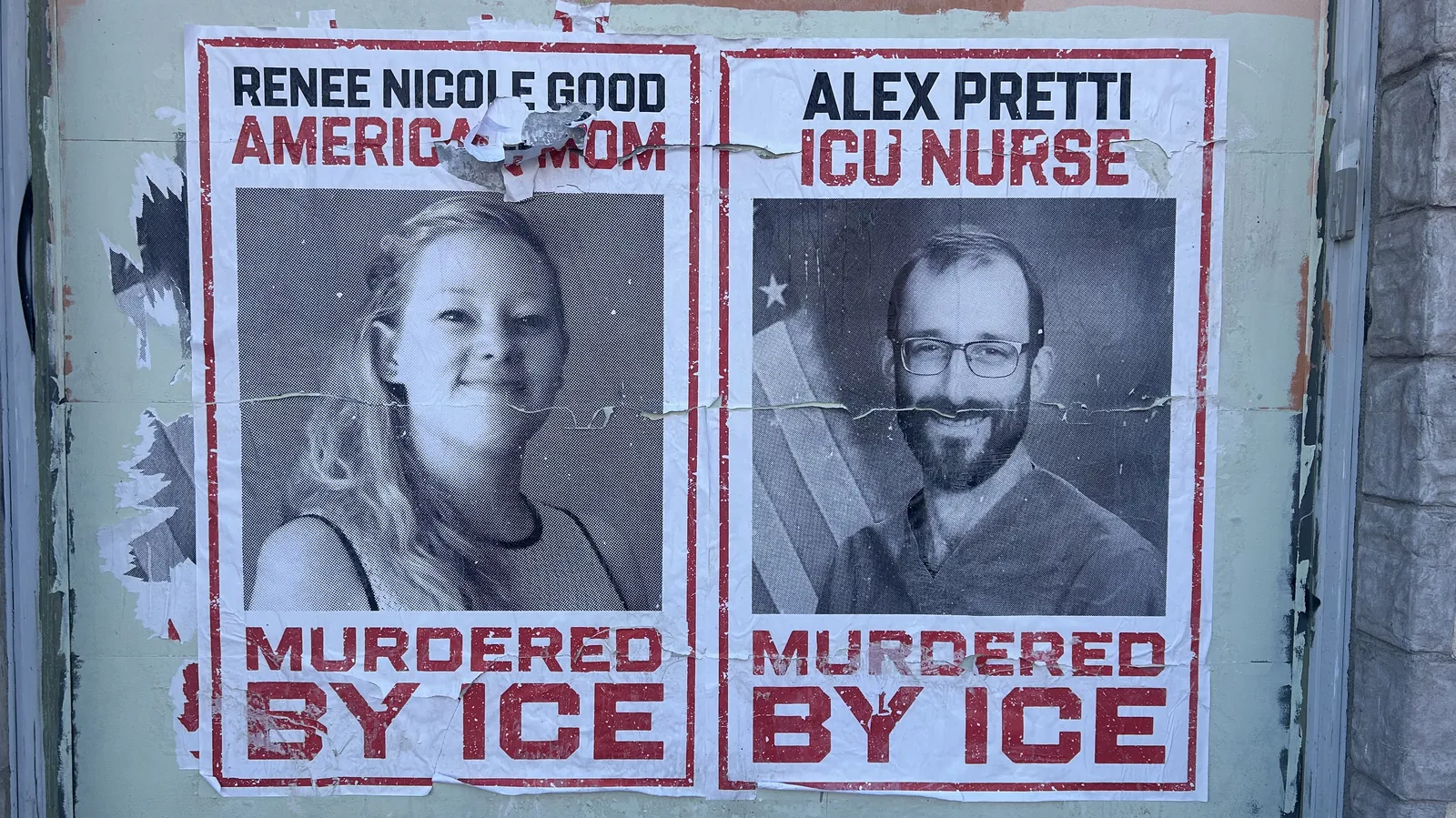
In the past weeks, the litany of abuses against Minnesotans is unending – ICE routinely runs cars off the road, detains individuals with no due process, deploys chemical weapons in residential neighborhoods, and targets vulnerable individuals. This includes the recent use of a five-year-old child, Liam Conejo Ramos, as bait to arrest the child’s father, followed by separating the father and child, and sending them individually to detention centers in Texas. School districts have filed a lawsuit against ICE to keep agents away from school property, and the superintendent of Fridley schools has detailed targeted harassment by ICE.
The murder of citizens and abduction of children is not a mistake or an overreach. It is calculated and designed. The lies have gone so far that the Minnesota Department of Corrections has created a website to track disinformation. There is no remorse or immediate acknowledgement that these incidents are tragic or wrong, or even an attempt to avoid future harm. On the contrary, victims and citizens are being targeted and investigated by this administration. Along with causing direct harm to communities, the pervasive fear is shutting down local economies and creating disruptions to daily life at COVID-19 pandemic levels in major cities and across the state.
I live five blocks from where George Floyd was murdered in 2020, and four blocks from where Renée Good was killed. On the day of her killing, I went to the site shortly after and witnessed ICE pushing back observers and deploying tear gas and pepper spray. The impacts of ICE are big and loud – I saw ICE agents force a car off the road around the corner from the site of Good's murder and witnessed ICE vehicles circle our local dual-language elementary school in an attempt to intimidate people. I regularly interrupt my workday to run outside and respond to car horns and whistles, as these masked men swoop into my neighborhood to attack and harass people. And they are quiet and pervasive. Restaurants have resorted to locking their doors to let in customers one at a time to stop ICE from illegally entering. The ambient stress penetrates every aspect of our lives.
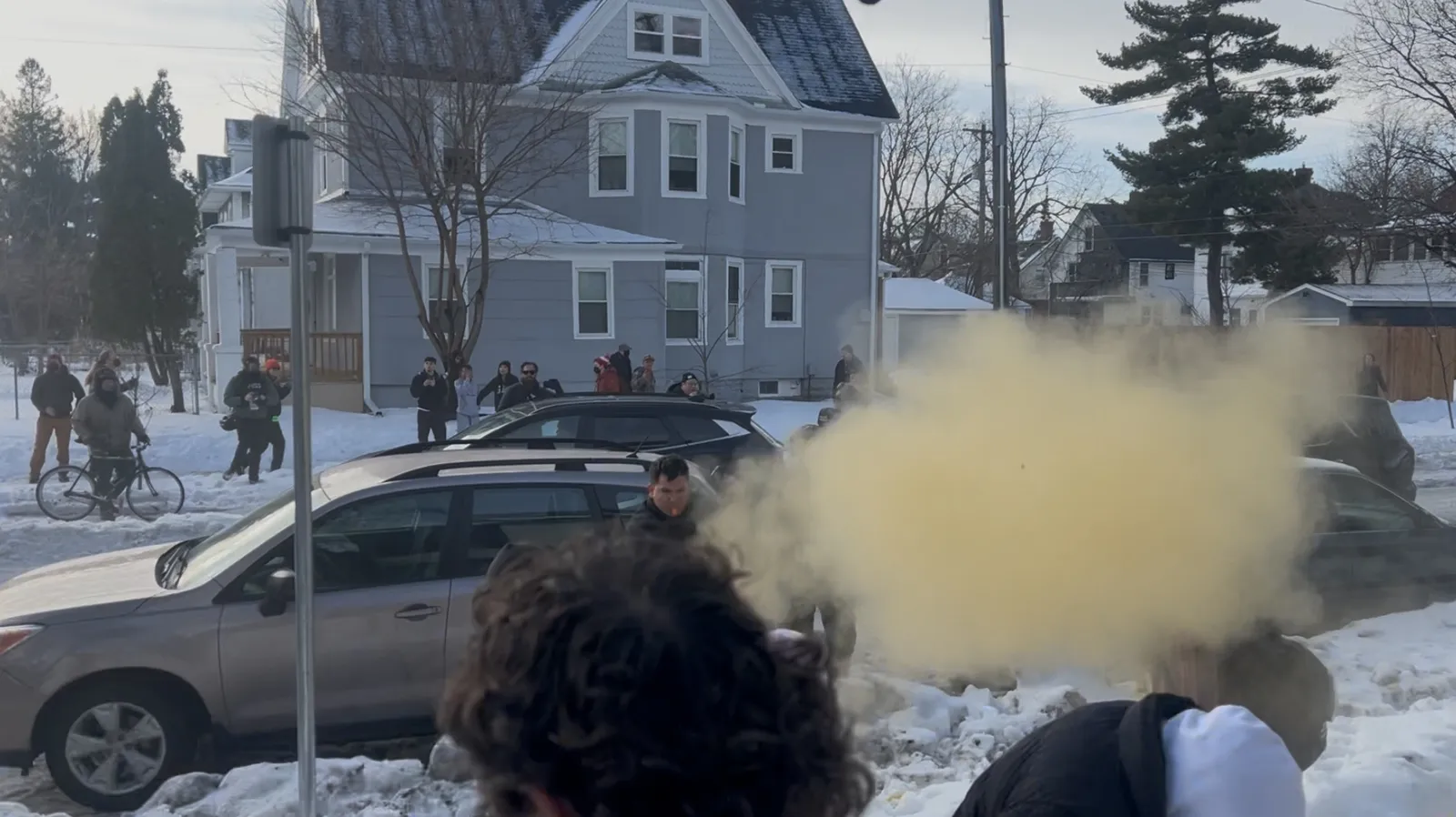
The streets of Minneapolis and across Minnesota are filled with love and righteous anger. People are armed with whistles, phones, and car horns. School communities and neighborhoods are organizing mutual aid so that our neighbors can remain hidden and out of the public eye, as students stay away from school. In all this, I am connected and closer than ever to my neighbors. My neighborhood is historically African American, with a diverse mix of homeowners and renters, and we are looking after each other. We are meeting the moment with determination, organizing, and singing. The resistance to ICE is not a protest or a riot, it is the work of living decently and in peace with our neighbors. We will not sell out our neighbors, and for that, we are being targeted.
It feels surreal to describe the experience in Minnesota, as stating the facts feels like narrating a dystopian political thriller. But it is real, and it is happening here. One of the key challenges facing Minnesota is the need for national and global visibility about the abuses to human rights and violations of the First, Second, Fourth, Fifth, and Eighth Amendments of the U.S. Constitution that we are seeing daily on the ground here. Visibility of these stories supports pressure to end these abuses and re-stabilize American democracy. Hopefully, the example of Minnesotans peacefully standing up for our neighbors helps and inspires others to do the same.
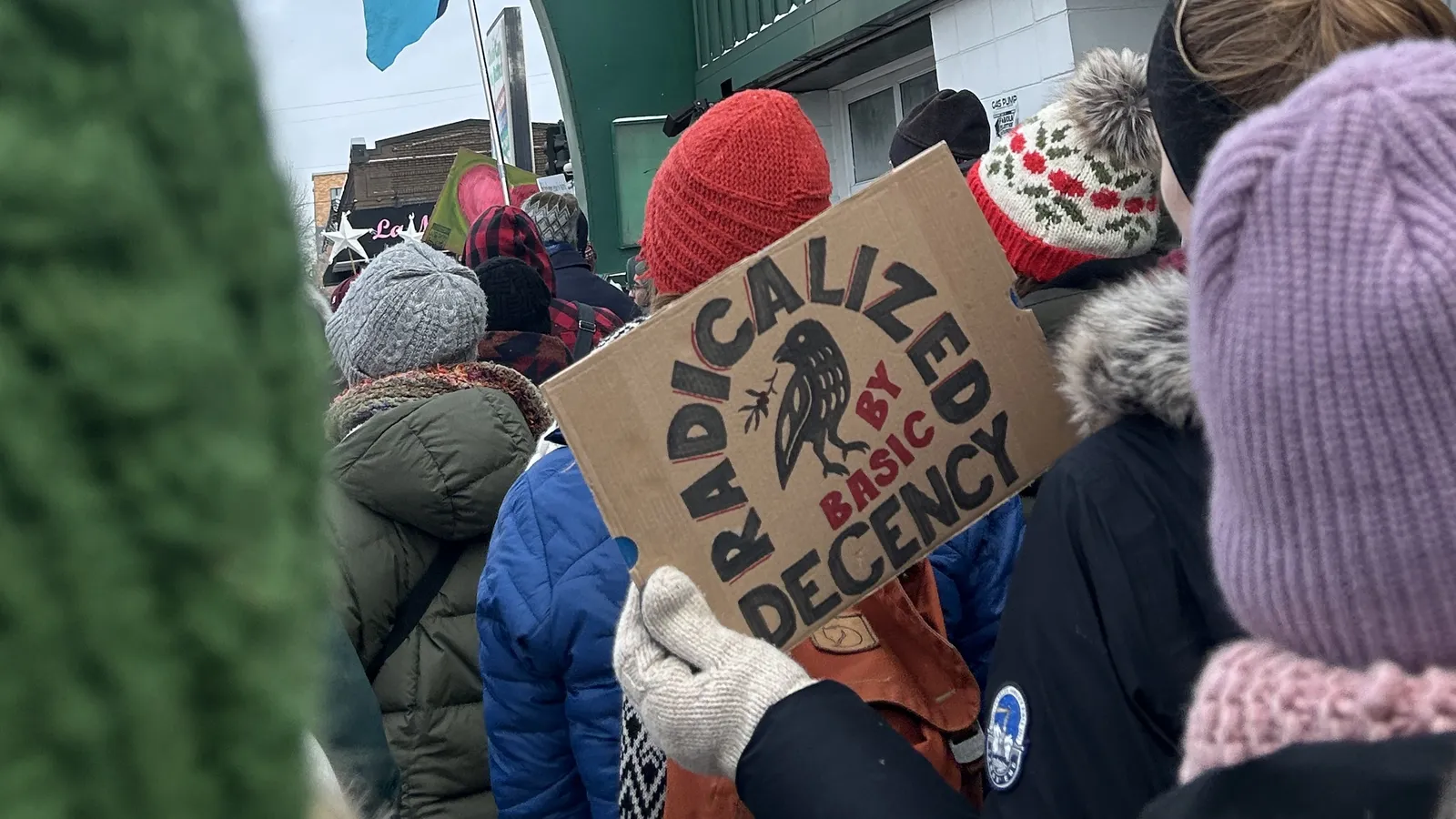
If you have a vested interest in democracy, thoughtful exchange of ideas, and in peace and justice, we are asking you to help. Please use your platform to highlight these abuses, join the call to end ICE’s unjust actions, and draw attention to the needs of Minnesotans at this moment. Share these stories, follow and support the media on the ground that is getting the word out, and help communities in need weather this authoritarian storm – the Stand With Minnesota website offers many practical ways to support us on the ground here.
What is happening in Minnesota must be made visible, must be witnessed, and must be stopped before we reach the next level of cataclysm. The people of Minnesota are calling for an end to this occupation and to the harassment and targeting of our families, friends, and neighbors. Half measures will not suffice if we are to defend our democracy and keep our republic.